
In partnership with Serendipity, the following wines are available in the Texas & California markets.
Earlier this year, Serendipity was thrilled to welcome Broadbent Selections to our book. Already a trusted mainstay among buyers and industry professionals alike, we’re proud to have partnered with an importer that is synonymous with quality and reliability— especially in a year like 2025. Broadbent Selections has imported fine wine from family-owned vineyards for nearly thirty years. As we considered where to introduce a new consumer to their portfolio, a top five naturally emerged. Familiar grapes from unfamiliar territories, irresistible whites to appease growing trends, and reds bursting with versatility are all reasons why these bottles are at the top of our go-to list. Go ahead, have a taste…
Stellenbosch, South Africa

Duncan Savage has made a name for himself creating compelling, ageable white wines from exposed vineyards sites across the Western Cape. A buyer who oftentimes leases grapes from marginal areas, he embraces old vines, whole cluster fermentation (when appropriate) and mineral-driven flavor profiles. And while the Savage range is profoundly ageable, Salt River offers a minor departure from the rest of the pack: energetic, nervy and full of intrigue, this Sauvignon Blanc begs to be drunk young. Preferably enjoyed alongside a devil-may-care tin of fish, a tiny fork, and impish company.
For the 2024 vintage, Duncan sourced grapes from five separate vineyards in Stellenbosch before fermenting in a combination of stainless steel, concrete, and old barrels. It saw four months on lees and a brief two months in bottle before release. Neutral oak and lees aging steer this bottle toward a more restrained Pouilly Fumé style rather than Marlborough. It leads with orange blossom, minty fennel, citrus zest and an unmistakable salinity— a Sauvignon Blanc truly worth its salt.

Duncan started Savage wines in 2011 and recently completed his modern winery in the edgy, creative Salt River District
Bot River, South Africa

The Beaumont family farm overlooks the Bot River Lagoon along the coastal shoreline of South Africa’s Overberg district. The Beaumonts purchased the farm in 1974, and today second generation winemaker Sebastian is at the helm of this small, boutique estate. Between pear and almond trees, turquoise estruaries, and a natural protective vegetation, award-winning Chenin Blanc struggles over ancient shale soils. Sebastian’s passion for the grape quickly secured him the nickname “The Chenin Dude” and their flagship offering was born.
Beaumont Chenin is fruit-filled, unwooded Chenin at its best. Spread across four vineyards under a cool, windy maritime climate, expect mineral intensity, freshness and structural elegance. It sits on its fine lees in concrete vats for up to four months, developing layers of yellow citrus, Asian pear, and a touch of quince. Try it with Vindaloo or Madras curries, Sichuan hot pot, or your favorite seafood.

In Bot River, Bokkeveld shale soils yield fruit marked by vivid mineral tension
Robertson Valley, South Africa

One of the biggest draws of South African wine for younger consumers is its combination of approachability and commitment to eco and social responsibility. De Wetshof follows this standard to the letter, with a litany of conservation programs, ethical labor practices, and respect for future generations at the forefront of their operations. While they were the first registered wine estate in the Robertson Valley, they are mostly known as South Africa’s eminent Chardonnay house. Famed proprietor and cellar master Danie de Wet pioneered planting the noble variety in the 80’s, hoisting their estate to global acclaim.
The current vintage of Limestone Chardonnay was made by Danie’s son, Peter. Vine age averages between 7 to 22 years, planted on a mix of limestone and heavy clay soils. To highlight their signature grape, it’s fermented entirely in stainless steel and then develops roundness and texture from four months on lees. Bright and complex, it expresses slightly creamy notes of almonds alongside pink grapefruit, peaches, and juicy nectarines.

Swartland, South Africa

This unexpected win of a wine was, dare we say it, serendipitous. Back in 2011, an American grocery store tasked the Broadbent group with sourcing a natural wine that would overdeliver on quality while keeping costs refreshingly low. They set off to Swartland, where volumes of old vine, high quality fruit were being sold off to commercial blends. They “rescued” said fruit and built their first iteration of The Curator. Juicy, affordable and easy to pair at the dinner table, the wine was an instant success. It quickly spread to other parts of the world and remains, firmly, a consistent crowd-favorite.
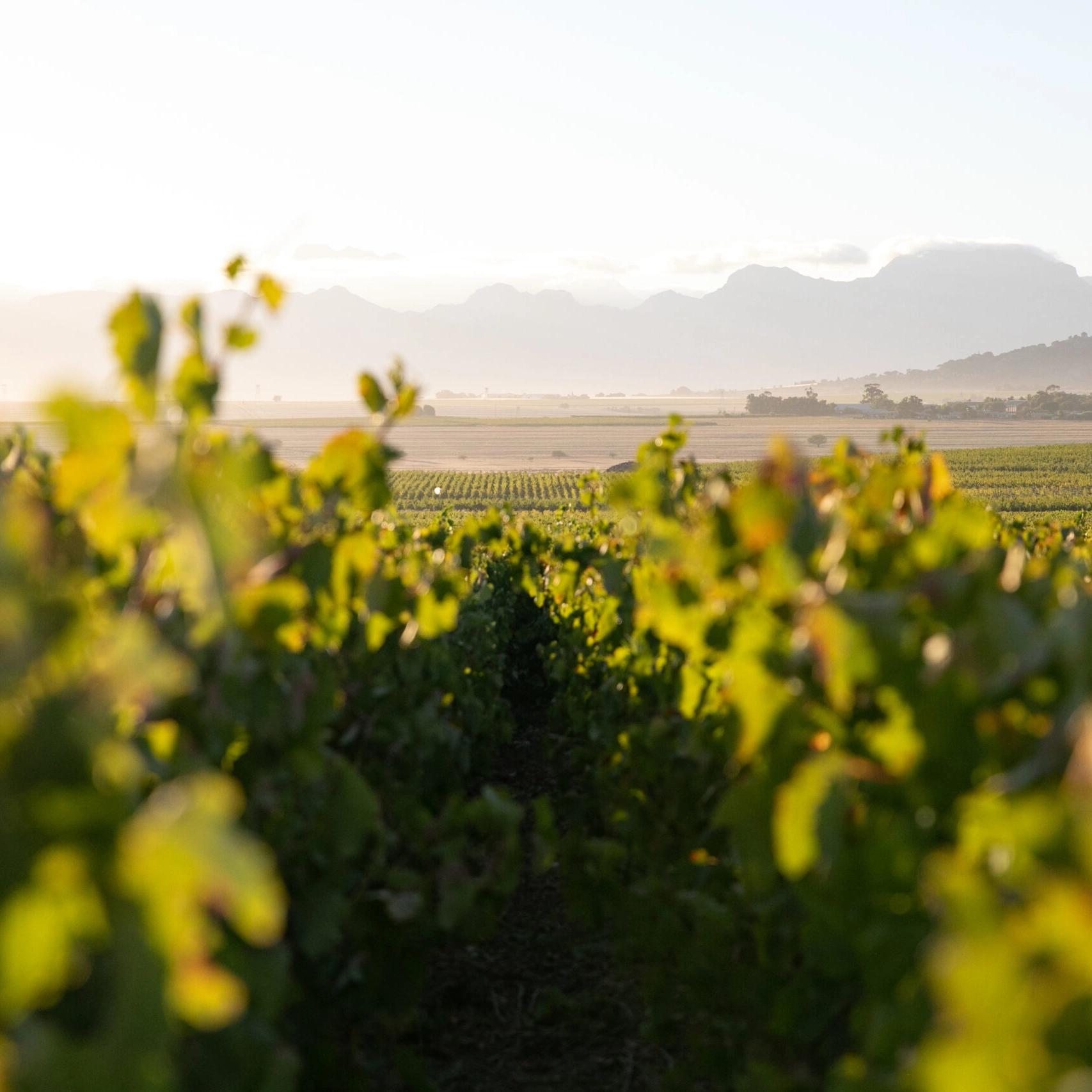
Year after year the blend behind The Curator is selected by founder and overall wine-powerhouse Bartholomew Broadbent. We’re currently straddling two vintages between the California and Texas markets: In California, the 2023 bottling contains 90% Cabernet Sauvignon and 10% Pinotage from ancient, dry-farmed bush vines. Fermented on native yeasts, it shows ample dark berry notes, leather, and a firm tannic structure. In Texas, the 2024 is a mix of Cab, Shiraz, and Pinotage. It is slightly more agile, with spices and peppery aromas adding a friendly lightness.
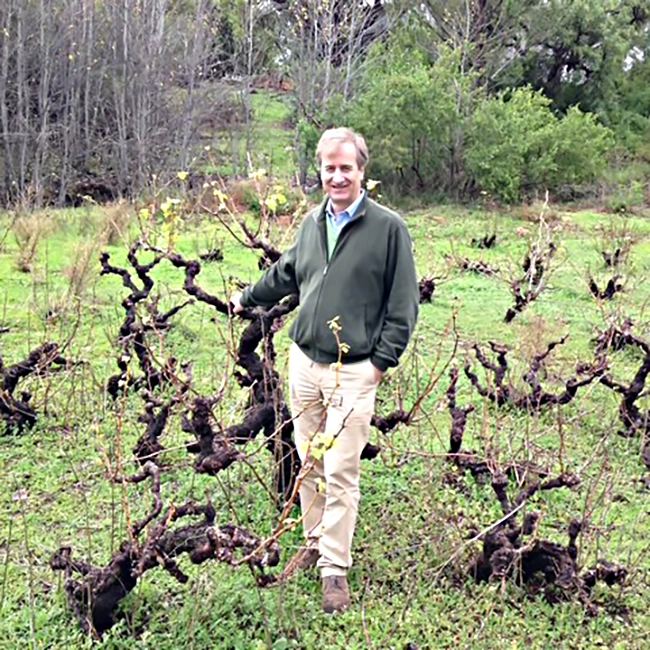
EVP Gregg Perkins named The Curator after Bartholomew’s penchant for curating exceptional wines from around the world
Bekka Valley, Lebanon

*In partnership with Serendipity, Chateau Musar is currently only available in the Texas market
Few wine regions can claim a 6,000 year old winemaking tradition, and even fewer producers can claim universal admiration. Lebanon’s Chateau Musar is one such rarity. Uniquely combining Levantine terroir with a Mediterranean climate and French winemaking influences, there’s simply nothing else like it. The family estate was founded in 1930 by Gaston Hochar in Ghazir, just north of Beirut. His travels to Bordeaux inspired his craft, which includes blending, a strong French oak program, and lengthy aging. The Musar estate is isolated, rife with organically-grown vineyards that vary in age from 5 to 130 years-old. This concentrated fruit yields wines that are celebrated for their remarkable longevity, vintage specificity and overall finesse.
Chateau Musar Rouge is considered their cornerstone wine. Equal parts Cabernet, Cinsault and Carignan, the varietals are vinified separately with natural yeasts in concrete vats. It spends one year in French oak barrels, and, like most of their offereings, matures for 6 years before release. Rich and robust, seamless notes of cranberry, dates and soft licorice are backed by great acidity and fine tannin. It’s easy to get lost in on its own, and it makes a marked companion with spiced tagines, hard cheeses, and earthy mushroom, beef or lamb dishes.

Today, Musar Rouge is made by Gaston’s grandson (also named Gaston) and long-time viticulturist Tarek Sakr
Whether you’re new to the Broadbent book or simply revisiting, this collection commands strong demand in both California and Texas markets. Authentic wines of place, piquant whites from the Western Cape, and compelling reds bold enough to capture anyone’s attention — we’re confident that one sip of Broadbent Selections is just the beginning.