
In partnership with Serendipity, the following wines are available in the Texas market.
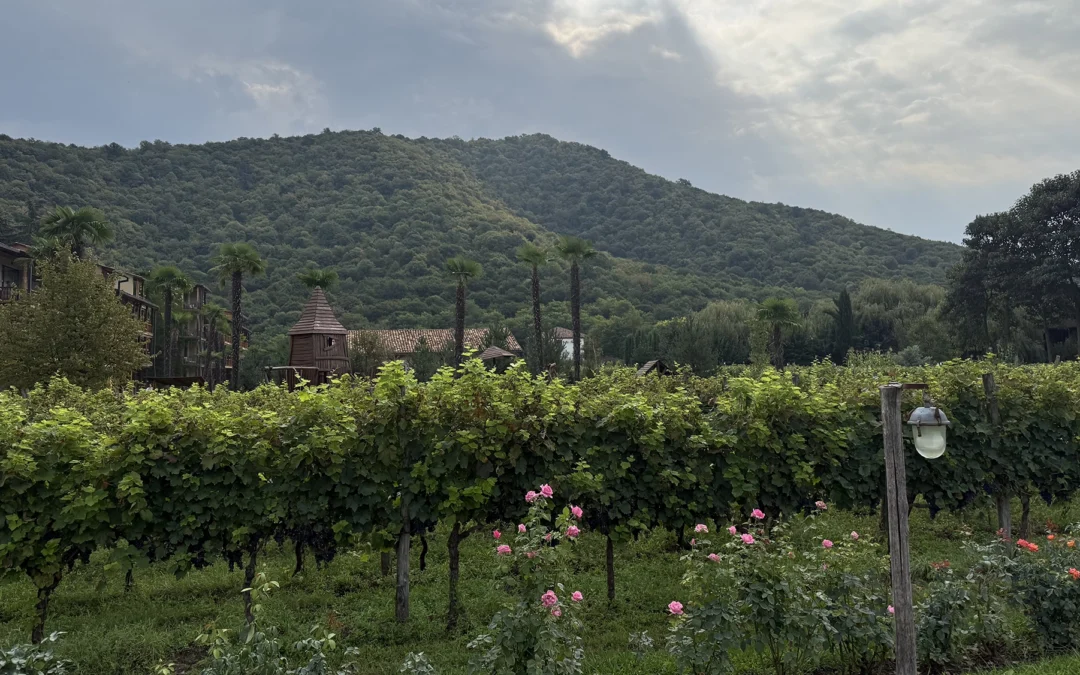
Earlier in 2025, our lead Brand Manager for Serendipity’s Georgia portfolio, Bobby Gonsalves, visited the country to experience first-hand what makes Georgian wines so magnetizing. He brought his insights home to the Lonestar state to talk about the dynamism, diversity and approachability of Georgia’s Khaketi wine region. What he observed was clear: Georgian wine is one of the most compelling growth opportunities in Texas right now. Let’s dig into it…

Lost In Translation: What Is One of the Hardest Access Points to Georgian Wine in Texas?
“The biggest barrier to entry for consumers and wine professionals alike is pronouncing the grape varietals. It’s been my experience working in restaurants and in sales that most people will shy away from wine names they can’t pronounce. The biggest hurdle to make Georgian wine a hit, beyond education, is to get the wines in front of people— you don’t need to be able to say it to enjoy it.”

Orgo Rkatsiteli is pronounced “ruh-KAHT-see-TELL-ee”
There are over 500 Georgian native grape cultivars, which make up about one-eighth of the world’s known varietals. Thankfully we live in a golden age of at-the-ready resources— pronunciation websites and the seriously thorough national Georgian wine portal, to name a couple. When all else fails and your wine pronunciation confidence is on low-battery (we’ve all been there), it never hurts to go back to basics and explain that you’re excited about a unique red, white or orange wine. And one of our favorite bottles to lead consumers into this underexposed market is Orgo Rkatsiteli. This is rare, old vine Rkatsiteli, a white grape that spends six months of skin contact at Orgo. With high aromatics and notes of dried apricot, florals, and mineral intensity, it’s a fantastic segue for structure-seeking wine drinkers who want to try something with gentle tannin and a little more heft than your everyday white.
The Palate Pleaser: Which Wine do You Predict is Set Up for Success?
“In terms of which wines feel most “ready” for broader international attention, Kindzmurali is probably the most approachable for the American palate. This wine typically has great tannin structure, but it’s pulled early from fermentation— allowing a bit of residual sugar to balance it out. It’s great for wine enthusiasts who are looking for something unique and approachable.”

Kindzmarauli (KINDZ-mah-rah-oo-lee) is a PDO within Georgia’s Kakheti region (KHA-kheh-tee-z)
The universal question over the past two decades in wine has often boiled down to approachability. So when a country that has survived 8,000 years of winemaking tells you what people love, it would be a mistake to look the other way. Kindzmarauli is the name of a red wine from Kakheti’s Kindzmarauli PDO, made from the Saperavi grape. It’s a national symbol, semi-sweet, and honest table wine. The producers at Teliani Valley nail it: juicy, loads of red and purple fruit, and endless pairing capacity. From blue cheese to gamier meats (we love it with duck!) it’s hard not to fall in love with.
The Unquestionable Power of Qvevri: This is Living History, Talk to Us About it.
“Concerning the importance of qvevri, I’d say quevri wines are crucial to the resurgence of Georgian wine, as it’s their heritage and how it all began. As long as there’s demand for “orange wine” or wine enthusiasts continue to look for something “off the beaten path,” then qvevri-made wines will always be the headliner.”

The word “Qvevri” rhymes with “every” and is pronounced “KWAY-vree”. The 2nd grape in this wine is prounounced “MTS-vah-nay”
Georgia has been utilizing the qvevri system since the dawn of their winemaking and is today lauded as the world’s most continuous winemaking technique. Large, tapered clay vessels are buried underground and grapes, plus stems and seeds and friends (*when appropriate), undergo natural fermentation inside at controlled temperatures. Because of the skin-contact, this style produces both amber wines (orange) and red wines. Orange wines aren’t new, but they remain niche, and Dilao’s Rkatsiteli-Mtsvane offers a style that greets you with the warmth of open-handed hospitality. Equal parts Rkatisteli and Mtsvane are fermented in qvevri for one month, and the result is a lighter orange wine with extrovert energy. Ripe cantaloupe, tree fruit and lavender are just the teasers in this bright, over-delivering wine.
Crossing Paths in Foodways: What Food Pairings Inspired You?
“The Georgian food was amazing. It’s heaven on earth if you enjoy different cheeses and breads— wine pairing staples. But I found it most interesting they use a lot of the same herbs and spices we see in Tex-Mex cuisine like cilantro and cumin. One of my favorite pairings was Saperavi paired with a dish called Chakhokhbili— a tomato-based chicken stew made with adjika (a spicy paste of hot chilis, seasonings and sometimes nuts) and finished with fresh herbs. The tannins in the wine weren’t overpowering, and the fruit balanced well with the amazing flavors of the stew.”

Ready to start pairing? Practice saying “saw-pair-ah-vee”
If love is blind, then we should probably be pairing Teliani Valley Saperavi with Tex-Mex. Caldo in winter, BBQ in summer, and salsa year-round. An earthy wine that won’t overpower your herbs, a shiny rib with a spiced red, and a structured bottle to balance heat? Yes, please.
It’s unmistakable that this wine style deserves a spot at the Tex-Mex table. Red wines are a competitive category, but trends are moving towards youthful, characterful wines that invite gathering, intrigue and seamlessness. This Saperavi is the choice move.
The Future of Georian Wines: What’s Next?
“Regarding where I see Georgian wine positioned in the U.S. in five years, my hope is that Georgian wines become a list staple and a category disruptor. Georgian wines offer something for everyone— whether you’re looking for something a bit on the sweet side, fruit forward, dry and tannic, or high in acid, there’s a wide range of offerings to appease everyone from the wine novice to the “cork-dork” (pointing at myself here).”

Join us on the Silk Road to fantastic Georgian sparkling wine
When it comes to true category disruptors, few things turn heads like Georgian sparkling. Serendipity brought on Silk Road in 2025, a veteran-owned importer and distributor focused on natural wines. Co-founder Yanick Arakelov grew up in Georgia and his business is an homage to the local generosity of spirit overflowing from its wine communities. Silk Road Extra Brut is composed of native white grapes fermented with native yeasts. In alignment with Yanick’s ethos, it shows bountiful aromas of yellow berries, crisp green apples and a complex nuttiness. Yanick asserts that the power in tasting a wine like this— made entirely from grapes that most consumers are unfamiliar with— is that “it’s like getting to taste wine for the first time.”
Georgian wine is no longer a quirky curiosity — it’s a smart growth opportunity for Texas buyers. The framework is simple: start with an approachable style, tell the 8,000-year story, connect it to familiar food pairings, and equip your team with the confidence to sell it. If you’re looking to differentiate your set or by-the-glass program with authenticity and discovery, now is the time. Connect with your Serendipity rep to explore the portfolio and bring Georgian wine into your mix. In the meantime, let our website be your starter guide:
Explore Serendipity’s Georgia Portfolio, Available in the Texas Market
Save the Dates: Wines of Georgia will be presenting at our Spring Portfolio Shows in San Antonio (3.30.2026), Austin (3.31.2026), Houston (4.1.2026) and DFW (4.2.2026). Official invites coming soon!